
Table of Contents
- The Real Cost Behind Sustainable Fashion Pricing
- Cost Per Wear Calculation: Why Higher Upfront Prices Make Sense
- Ethical Supply Chain and Labor Costs
- Quality, Durability, and Garment Longevity
- Benefits of Slow Fashion Over Fast Fashion Consumption
- How to Build a Sustainable Wardrobe on a Budget
- Resale Value and Circular Economy Returns
- Conclusion: Is the Investment Worth It?
The Real Cost Behind Sustainable Fashion Pricing
When you compare a hand-dyed bohemian piece from Loving Life Clothing to a mass-produced alternative, the price difference is striking. But that sticker shock masks what's actually happening behind the scenes. Sustainable fashion invests in fair wages, higher-quality materials, rigorous supply chain oversight, and products designed to last years, not seasons. Fast fashion cuts corners everywhere to maintain razor-thin margins.
The price difference isn't arbitrary markup. It's the cost of doing things responsibly. When a garment is hand-dyed using natural processes instead of synthetic chemicals, when workers earn living wages, when materials are organic and traceable, production costs rise substantially. At Loving Life Clothing, our hand-dyed pieces reflect this reality. The vibrant colors come from careful dyeing processes that take time and skill. The relaxed fits use higher-quality fabrics selected for longevity. This costs more to produce than churning out thousands of identical pieces in a factory optimized purely for speed.
The real question isn't whether sustainable fashion is expensive. It is. The question is whether the value justifies the cost.
Cost Per Wear Calculation: Why Higher Upfront Prices Make Sense
Cost per wear reframes the entire sustainability conversation. Instead of looking at the price tag alone, divide the garment's total cost by the number of times you'll actually wear it.
A fast fashion shirt costs $25 but falls apart after 15 wears (peer-reviewed research). That's $1.67 per wear. A sustainable alternative costs $75 but lasts 200 wears. That's $0.38 per wear. The expensive piece is actually cheaper over time.
Most people don't do this math. They see the higher upfront price and stop there. But that's like comparing a car's sticker price without considering fuel efficiency or maintenance costs. You're looking at only half the equation.
The durability advantage of sustainable fashion is real. When garments are made from quality materials and constructed with care, they withstand washing, wearing, and time better than pieces designed for planned obsolescence. A hand-dyed bohemian piece from Loving Life Clothing isn't just a fashion choice, it's an investment that holds its value through repeated wear.
This also explains why slow fashion advocates talk about building a wardrobe intentionally. You're not buying constantly. You're buying strategically, choosing pieces that work together, that fit well, that you genuinely love. That's how cost per wear becomes favorable, through intentional consumption.
Ethical Supply Chain and Labor Costs
Labor practices represent a significant portion of the cost difference between sustainable and conventional fashion. In countries with weak labor protections, garment workers earn wages that don't cover basic living expenses and work in unsafe conditions. Sustainable brands reject this model.
Ethical supply chains require verification systems to track materials, ensure fair wages adjusted for local cost of living, and verify safe working conditions. These systems cost money. But it's the cost of knowing that the person who made your clothes wasn't exploited.
Loving Life Clothing's commitment to handcrafted bohemian essentials reflects this approach. Hand-dyed pieces require skilled labor. Those skills deserve fair compensation. When workers are paid fairly and treated well, quality improves. Someone invested in their work produces better results, which feeds back into durability and cost per wear.
Quality, Durability, and Garment Longevity
The relationship between price and durability is direct. Higher-quality materials and careful construction cost more upfront because they deliver longevity.
Sustainable fashion prioritizes garment longevity. Every decision, fabric selection, seam construction, dyeing processes, finishing details, considers durability. Fast fashion pieces are engineered for quick disposal: seams unravel, fabric pills, colors fade, elastic loses stretch.
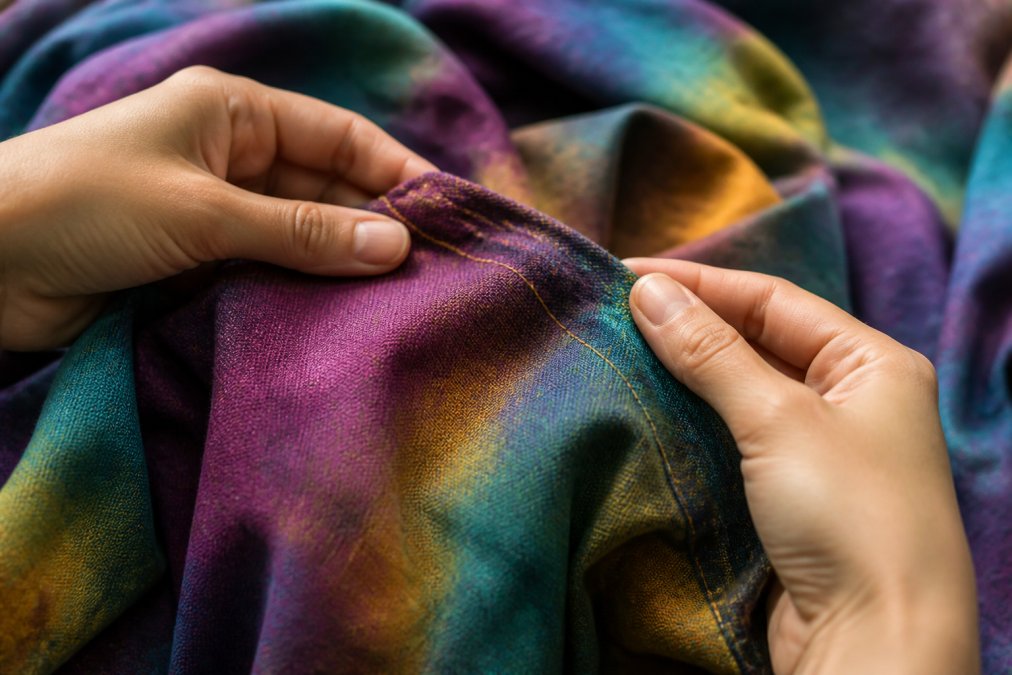
Sustainable pieces are different. Better fabrics hold up to repeated washing. Seams are reinforced. Dyes are set properly so colors remain vibrant. Hand-dyed bohemian pieces exemplify this. The natural dyes used in sustainable production require proper setting and handling, resulting in colors that don't fade like synthetic dyes. Over five years, you own fewer pieces but they're actually wearable.
Benefits of Slow Fashion Over Fast Fashion Consumption
Fast fashion operates on volume and constant newness. The message is clear: what you own is already outdated. Buy more. Slow fashion rejects this framework, arguing that fewer, better pieces serve you better than constant consumption.
The environmental impact of this shift is substantial. Manufacturing clothing consumes water, generates waste, and produces emissions (the EPA). Slow fashion reduces the total number of garments produced and consumed, directly reducing environmental impact.
The psychological benefit is underrated. When you own pieces you genuinely love and that actually fit well, getting dressed becomes easier and more satisfying. You're not digging through mediocre options. This reduces decision fatigue and increases confidence.
Slow fashion also encourages care. When you invest in a piece, you're more likely to maintain it properly, extending garment life even further. When consumers shift toward slow fashion, it signals to the industry that quality and sustainability matter, driving production changes.
How to Build a Sustainable Wardrobe on a Budget
Building a sustainable wardrobe requires strategic choices, not unlimited spending.
Start by assessing what you actually wear. Which pieces do you reach for repeatedly? What colors dominate your choices? What fits make you feel confident? Use this data as your foundation.
Next, identify genuine gaps in what you need. Prioritize quality over quantity. Instead of buying five cheap pieces, buy one good piece that will outlast them combined and work better with your existing wardrobe.
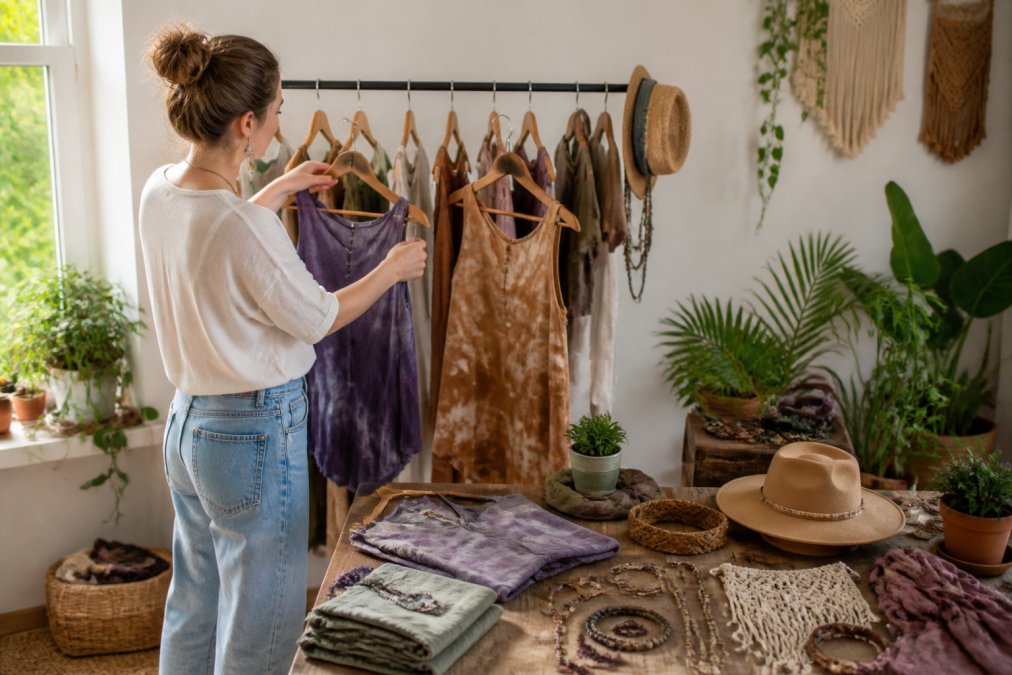
Consider investment pieces from brands like Loving Life Clothing that prioritize longevity. A hand-dyed bohemian piece works across multiple outfits, seasons, and years. Buy secondhand strategically to extend the life of already-produced garments at lower prices. Repair and maintain what you own, a small tear fixed immediately preserves the garment.
Build a color palette with 3-4 core colors that work together. Most pieces should be in these colors, making mixing and matching easier. Invest in accessories that change outfits without changing clothes. A scarf, belt, or bag can transform a piece from casual to dressier. Accessories from Loving Life Clothing, like our Active Recycled RFID Double Pouch at $24.99, add functionality and style without requiring entirely new outfits.

The goal is gradual improvement toward a collection of pieces you love that actually work together, costing less than constant shopping while delivering more satisfaction.
Resale Value and Circular Economy Returns
The circular economy argument for sustainable fashion is compelling. When a garment lasts longer and maintains quality, it has resale value.
Fast fashion pieces have virtually no resale value. Sustainable pieces, particularly well-made bohemian and vintage-inspired items, often retain value. You buy a piece for $100, wear it for three years, and sell it for $30. Your actual cost is $70 for three years of use. If you wear it 200 times, that's $0.35 per wear.
Platforms for resale have made this easier. Knowing you can recoup some investment makes the higher upfront price feel less risky. Loving Life Clothing's hand-dyed bohemian pieces are particularly suited to resale. The unique, handcrafted nature means they don't go out of style. Someone else will want to wear them.
Conclusion: Is the Investment Worth It?
Is sustainable fashion worth the price? Yes, but with important caveats.
If you're comparing purely on sticker price, sustainable is more expensive. If you're comparing on cost per wear over the garment's actual lifespan, sustainable is cheaper. If you're factoring in environmental impact, labor ethics, and the satisfaction of owning pieces you genuinely love, sustainable is clearly the better choice.
The key is approaching sustainable fashion strategically. Build intentionally, choosing pieces that work together, that fit well, that you'll actually wear repeatedly. Loving Life Clothing's hand-dyed bohemian essentials embody this approach. Each piece is handcrafted with attention to quality and durability. The vibrant, unique designs mean you're expressing yourself, not following trends.
The sustainable fashion conversation often gets framed as a moral choice. But it's also a practical one. Better pieces that last longer, work better with your existing wardrobe, and hold their value represent smarter spending. Start with understanding cost per wear calculations to evaluate your current spending, then build intentionally toward a wardrobe that actually serves you. Loving Life Clothing's curated collection of handcrafted bohemian pieces provides the quality foundation that makes sustainable fashion worth the investment.
Frequently Asked Questions
Q: How do I calculate cost per wear for sustainable fashion purchases?
A: Cost per wear divides the price by estimated wears. A $120 hand-dyed dress worn 200 times costs $0.60 per wear, while a $30 mass-produced piece worn 20 times costs $1.50 per wear. Track actual wears by noting wear dates. Sustainable pieces typically lower this metric because their durability extends the denominator significantly. For example, our hand-dyed garments are designed for years of wear, making the per-wear cost competitive with fast fashion despite higher upfront investment.
Q: What makes sustainable fashion more expensive than fast fashion?
A: Sustainable fashion costs more due to ethical labor practices, organic or natural materials, low-volume production, and quality craftsmanship. Fair trade certification ensures workers earn living wages. Natural dyes and organic fibers cost more than synthetic alternatives. Hand-dyed pieces require skilled artisans rather than automated mass production. Transparency and traceability throughout the supply chain add administrative costs. These factors reflect the true environmental and human cost that fast fashion externalizes. While the upfront price is higher, durability and resale value recover that investment over time.
Q: Can I build a sustainable wardrobe without spending a lot of money?
A: Yes. Start with versatile wardrobe staples in neutral hand-dyed tones that mix easily. Buy fewer pieces intentionally rather than many low-quality items. Invest in basics first, then add statement pieces gradually. Shop secondhand markets and vintage clothing for unique finds at lower prices. Choose pieces with longevity in mind, quality construction and timeless designs reduce replacement frequency. Consider cost per wear rather than upfront price. Accessories like our recycled RFID pouches ($24.99) or bio acetate sunglasses ($119) add conscious style without major expense. Quality basics worn repeatedly deliver better value than cheap trendy items.
Q: Is sustainable fashion actually better for the environment than fast fashion?
A: Sustainable fashion reduces environmental impact through organic materials, natural dyes, ethical manufacturing, and durability. Organic production eliminates synthetic pesticides and reduces carbon footprint. Natural dyes minimize water pollution versus chemical dyes. Ethical supply chains typically involve lower-volume, local production reducing transportation emissions. Most importantly, garment longevity matters: a piece worn 300 times has far lower per-wear environmental impact than one worn 20 times. However, greenwashing exists, verify certifications and supply chain transparency. Loving Life Clothing's hand-dyed approach uses natural processes and quality construction designed for years of wear, genuinely reducing waste versus disposable fast fashion.
This article was written using GrandRanker