
Table of Contents
- Is Organic Food Worth the Cost? The Core Question
- Organic vs Conventional Nutrition Comparison
- Pesticide Residues, Food Safety, and Health Risks
- The Dirty Dozen and Clean Fifteen List: Where to Spend and Where to Save
- The Hidden Costs of Conventional Farming
- How to Save Money on Organic Groceries
- Understanding Organic Labels and Certification Standards
- Is Organic Food Worth the Cost for Your Lifestyle?
Last Updated: August 29, 2026
Is Organic Food Worth the Cost? The Core Question
Is organic food worth the cost? That's the question millions of shoppers ask every week while standing in the grocery aisle, staring at two near-identical bunches of kale with a $3 price difference between them. At Loving Life Clothing, we believe conscious living extends beyond what you wear to what you eat, which is why we've put together this honest, practical guide to help you make smarter decisions at the checkout.
The short answer: it depends on what you're buying, where you buy it, and what you're optimizing for. Organic food is food produced without synthetic fertilizers, most synthetic pesticides, genetically modified organisms, or routine antibiotic use, as defined by the USDA National Organic Program. Below, we'll break down the nutrition science, the pesticide residue data, the real costs of conventional farming, and practical strategies that let you shop organic without blowing your food budget.
Organic vs Conventional Nutrition Comparison
Organic and conventional produce generally deliver similar macronutrient profiles. The differences, where they exist, tend to show up in specific micronutrients and secondary plant compounds.
Nutrient Density vs. Bioavailability: What the Research Actually Shows
Nutrient density refers to the concentration of vitamins, minerals, and antioxidants per serving. Bioavailability refers to how much of that nutrition your body can actually absorb and use.
Some research has found that organically grown crops may contain higher levels of certain antioxidants and polyphenols. The proposed explanation is that plants grown without synthetic pesticide protection produce more of their own defensive compounds, which happen to be beneficial to human health. According to USDA Agricultural Research Service findings on organic farming and crop composition, soil management practices in organic systems can influence the secondary metabolite content of crops.
Here's the honest caveat: nutrient density varies enormously based on soil health, harvesting practices, storage time, and variety selection. A freshly harvested conventional tomato from a local farm will likely outperform an organic tomato that spent two weeks in cold storage. Freshness and proximity often matter more than certification.
| Factor | Organic | Conventional |
|---|---|---|
| Synthetic pesticide residues | Minimal to none | Present in varying levels |
| Antioxidant levels | Often slightly higher | Baseline |
| GMO ingredients | Not permitted | May be present |
| Synthetic fertilizer use | Not permitted | Standard practice |
| Nutrient density (macros) | Comparable | Comparable |
Pesticide Residues, Food Safety, and Health Risks
Conventional farming relies heavily on synthetic pesticides to protect crops from insects, fungi, and weeds. The result is measurable pesticide residue levels on a significant portion of conventionally grown produce. According to EPA's overview of pesticide safety and dietary intake, the agency sets tolerance levels for pesticide residues on food, but those tolerances are set for individual chemicals, not cumulative chemical exposure.
That cumulative exposure question is the crux of the food safety debate. Real dietary intake involves dozens of compounds across dozens of foods, often simultaneously. The long-term public health implications of that combined chemical exposure are not fully understood.
Children and pregnant individuals face higher risk. Developing nervous systems are more sensitive to neurotoxic compounds, and several pesticides used in conventional farming have been associated with developmental concerns in high-exposure settings. For healthy adults eating a varied diet, the acute risk from conventional produce is generally considered low by regulatory standards.
The Dirty Dozen and Clean Fifteen List: Where to Spend and Where to Save
The Dirty Dozen and Clean Fifteen list is the most practical tool available for budget-conscious organic shopping. Published annually by the Environmental Working Group, it ranks commonly consumed produce by measured pesticide residue levels.
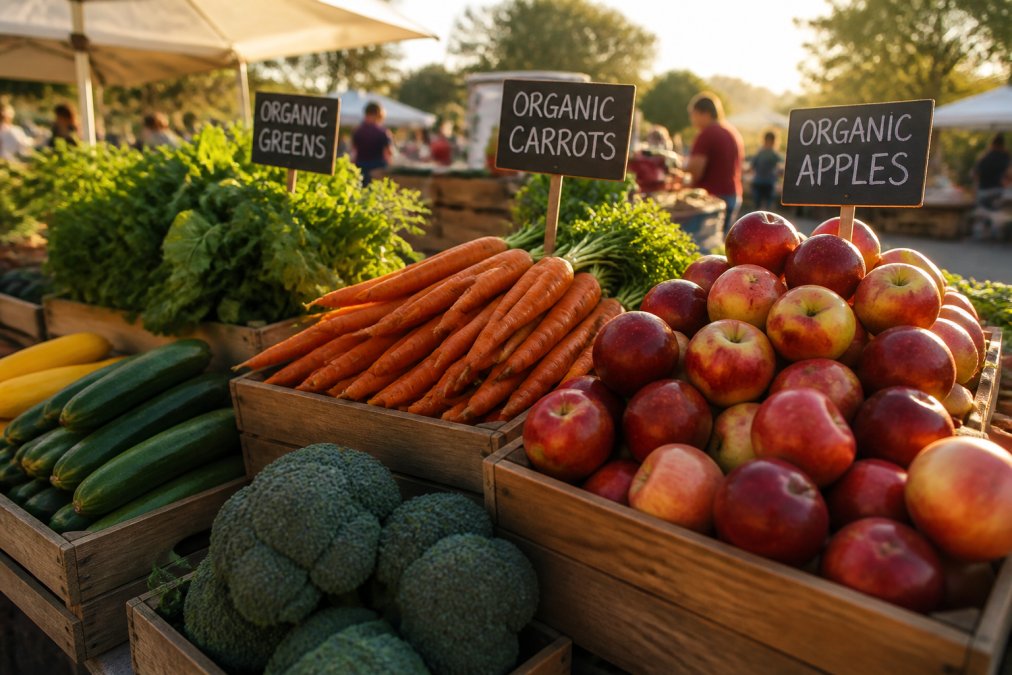
According to Environmental Working Group's Dirty Dozen and Clean Fifteen guide, crops like strawberries, spinach, and bell peppers consistently appear at the top of the residue list, while avocados, sweet corn, and pineapples tend to test with very low residue levels.
Dirty Dozen (prioritize organic):
- Strawberries
- Spinach
- Kale, collard, and mustard greens
- Peaches
- Pears
- Nectarines
- Apples
- Grapes
- Bell peppers and hot peppers
- Cherries
- Blueberries
- Green beans
Clean Fifteen (conventional is fine):
- Avocados
- Sweet corn
- Pineapple
- Onions
- Papaya
- Sweet peas (frozen)
- Asparagus
- Honeydew melon
- Kiwi
- Cabbage
- Mushrooms
- Mangoes
- Sweet potatoes
- Watermelon
- Carrots
This framework is the single most effective way to reduce your household's pesticide exposure without dramatically increasing your food budget. Spend on the Dirty Dozen. Save on the Clean Fifteen.
The Hidden Costs of Conventional Farming
The price tag on conventional produce reflects what it costs to produce and distribute that item. It does not reflect what it costs society.
Environmental Impact, Soil Health, and Sustainability
Conventional farming depends on synthetic fertilizers derived from fossil fuels, broad-spectrum pesticides that affect non-target species, and monoculture systems that degrade soil health over time. Soil health is the foundation of long-term food security. Organic farming practices like crop rotation, cover cropping, and composting build soil organic matter over time. Conventional farming tends to deplete it.
Remediation of pesticide-contaminated groundwater, treatment of pesticide-related health conditions, and the loss of ecosystem services like pollination all represent real economic costs that are externalized from the price of conventional food. When you pay less at the checkout, someone or something else is often absorbing the difference.
How to Save Money on Organic Groceries
Organic food doesn't have to mean a dramatically higher food bill. The key is knowing where to focus your spending and how to source smartly.
Regional and Seasonal Price Fluctuations
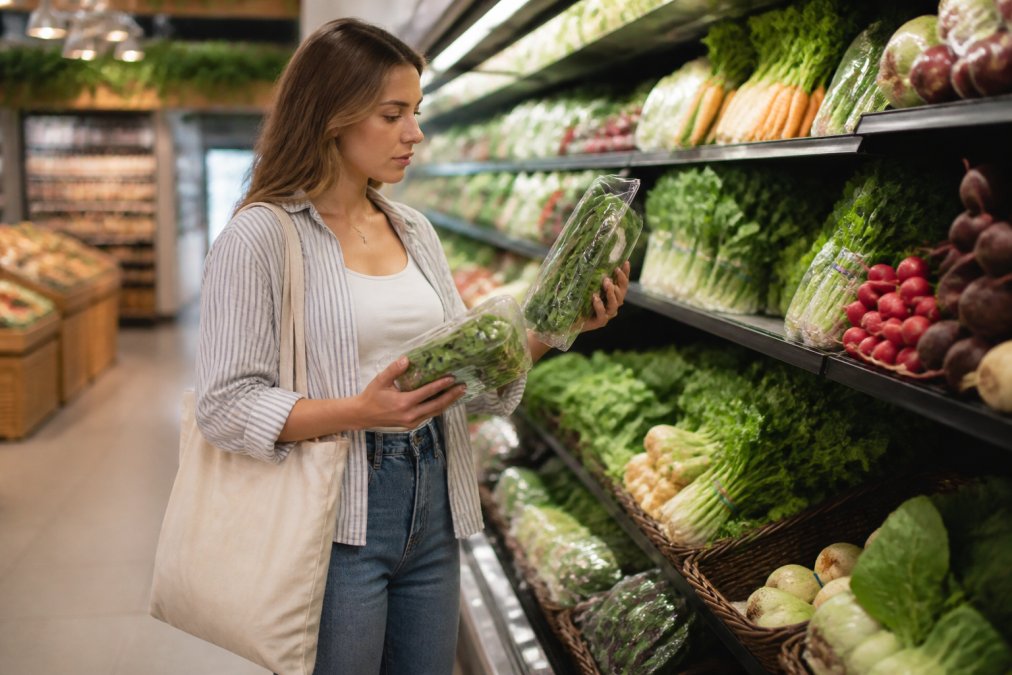
Seasonal produce is cheaper, more nutritious, and more likely to be locally grown. Organic strawberries in June cost significantly less than organic strawberries in January. Buying in-season produce is one of the most effective strategies for reducing the price premium on organic food.
Farmers markets in agricultural regions often sell certified organic produce at prices competitive with conventional supermarket prices, because the supply chain is shorter and the overhead is lower.
Practical strategies for reducing your organic food spend:
- Use the Dirty Dozen as your buying guide. Spend organic dollars on high-residue crops. Go conventional on the Clean Fifteen.
- Buy frozen organic produce. Frozen organic vegetables and fruits are typically cheaper than fresh and retain comparable nutrient density.
- Join a CSA (Community Supported Agriculture). Weekly shares from local organic farms often cost less per pound than retail organic.
- Buy in bulk for shelf-stable items. Organic dried goods, grains, legumes, and pantry staples are significantly cheaper per unit when purchased in larger quantities.
- Shop store brands. Most major grocery chains now carry organic store-brand lines at lower price points than name brands.
The Organic Apple Cider Vinegar from Bragg, available for $11.95, is a certified organic, unfiltered, unpasteurized staple for salad dressings and household cleaning. The Organic Dried Red Bell Pepper is a Non-GMO, certified organic pantry item that rehydrates into a full medium pepper, making it a cost-effective way to keep organic ingredients on hand year-round.


Understanding Organic Labels and Certification Standards
Not all organic labels mean the same thing. The USDA National Organic Program sets the certification standards for organic food sold in the United States. Products labeled "100% Organic" must contain only organically produced ingredients. Products labeled "Organic" must contain at least 95% organic ingredients. Products labeled "Made with Organic Ingredients" must contain at least 70% organic ingredients and cannot use the USDA organic seal.
| Label | Organic Content Required | USDA Seal Permitted |
|---|---|---|
| 100% Organic | 100% | Yes |
| Organic | 95%+ | Yes |
| Made with Organic Ingredients | 70%+ | No |
Beyond USDA certification, some products carry additional third-party certifications that represent higher standards. Regenerative Organic Certified (ROC) is the most rigorous, requiring not just organic practices but soil health benchmarks, animal welfare standards, and farmer equity criteria. The Crunchy Alchemy Sprouted Almond Butter available through Loving Life Clothing carries ROC certification, which is the highest level of organic certification currently available. At $12.79, it's the kind of product where the certification is verifiable and meaningful.
Is Organic Food Worth the Cost for Your Lifestyle?
Is organic food worth the cost? The honest answer is: yes, selectively, for most people.
A blanket "always buy organic" approach is expensive and often unnecessary. A blanket "organic is a scam" position ignores the real differences in pesticide residue levels, environmental impact, and certification rigor. The practical middle ground is strategic organic purchasing based on actual risk and actual benefit.
The framework is straightforward:
- Prioritize the Dirty Dozen for produce. These are the items where the pesticide residue data makes the strongest case for organic.
- Go conventional on the Clean Fifteen. The risk-reduction benefit of organic is minimal for these crops.
- Buy seasonal and local to reduce the price premium and improve freshness.
- Verify certifications rather than trusting label language. USDA organic and ROC are the benchmarks.
- Start with pantry staples if budget is a constraint. Organic pantry items are often cheaper per use than fresh produce and easier to source in bulk.
If you're exploring a more structured approach to clean eating, the OWL Reset 21-Day Organic Cleanse Program is a three-week program designed to remove inflammatory foods and build self-care rituals.

The consumer choice question ultimately comes back to values as much as data. Organic food costs more at the register. It generally delivers lower pesticide exposure, supports more sustainable soil health practices, and in some cases offers modest nutrient density advantages. Whether that combination is worth the price premium depends on your health priorities, your budget, and how you weigh individual dietary intake decisions against broader environmental impact.
For most conscious shoppers, the answer isn't all or nothing. It's knowing which battles to pick.
Navigating the organic food landscape takes more than good intentions. It takes a clear framework for where the evidence is strong, where it's weak, and where your food dollar does the most work. At Loving Life Clothing, our organic food offerings are certified, sourced with intention, and chosen because they represent the highest standards available. Explore our organic pantry collection and start building a food practice that actually reflects how you want to live.
Frequently Asked Questions
Is it worth paying extra for organic food?
Whether organic food is worth the price premium depends on what you buy. For produce on the Dirty Dozen list, such as strawberries and spinach, organic reduces your exposure to pesticide residues meaningfully. For items on the Clean Fifteen, the conventional version carries very low chemical exposure, making the price difference harder to justify. A targeted approach, buying organic selectively rather than across the board, gives you the most health benefit per dollar spent.
Does organic food have more nutritional value than conventional food?
Some studies show organic produce has modestly higher antioxidant levels and certain micronutrients compared to conventionally grown crops, likely because organic farming avoids synthetic fertilizers that can accelerate growth at the expense of nutrient density. However, the differences are not dramatic enough to make organic food a substitute for a varied diet. Freshness, harvesting practices, and how long produce sits before you eat it affect nutritional value just as much as farming method.
What foods are worth buying organic?
Prioritize organic for the Environmental Working Group's Dirty Dozen: strawberries, spinach, kale, peaches, pears, nectarines, apples, grapes, bell peppers, cherries, blueberries, and green beans. These crops consistently test highest for pesticide residues. You can safely buy conventional versions of the Clean Fifteen, which includes avocados, sweet corn, pineapple, onions, and cabbage, since their thick skins or low pesticide uptake keeps residue levels minimal.
Is organic fruit still sprayed with pesticides?
Organic certification under USDA National Organic Program standards prohibits synthetic pesticides, but certified organic farms can use certain approved natural pesticides. These are generally considered lower risk than synthetic options, though 'organic' does not mean pesticide-free. Washing all produce thoroughly, whether organic or conventional, remains a sound food safety habit that reduces surface residues regardless of how the crop was grown.
This article was written using GrandRanker