
Table of Contents
- The Real Cost of Fast Fashion vs. Handcrafted Quality
- Durability and Garment Longevity: Why Handcrafted Lasts
- Is Sustainable Fashion Worth the Price? A Cost-Per-Wear Breakdown
- Ethical Labor and Environmental Impact
- How to Build a Sustainable Wardrobe Without Greenwashing
- Natural Fibers vs. Synthetic Materials and Chemical Finishes
- Care and Repair: Extending the Life of Your Pieces
- Frequently Asked Questions
Last Updated: September 3, 2026
The Real Cost of Fast Fashion vs. Handcrafted Quality
The average person buys 60% more clothing today than they did 15 years ago, yet keeps each piece for half as long (peer-reviewed research). This throwaway mentality defines fast fashion, an industry built on rapid production cycles, disposability, and planned obsolescence. When you choose handcrafted over fast fashion, you're rejecting that model entirely.
At Loving Life Clothing, we believe the real cost of fast fashion extends far beyond the price tag. It's measured in garment longevity, environmental impact, labor conditions, and the psychological toll of overconsumption. Handcrafted pieces tell a different story. They're made to last, designed with intention, and crafted by hands that earn fair wages for skilled work.
This guide explores why choosing handcrafted over fast fashion matters, not just for your wardrobe, but for the world around you. We'll break down the economics, ethics, and practical benefits of slow fashion, and show you how to build a sustainable wardrobe without falling for greenwashing.
Durability and Garment Longevity: Why Handcrafted Lasts
Handcrafted pieces are engineered for longevity. Fast fashion relies on speed-optimized machines that prioritize output over durability. The difference shows up the moment you wear the garment.
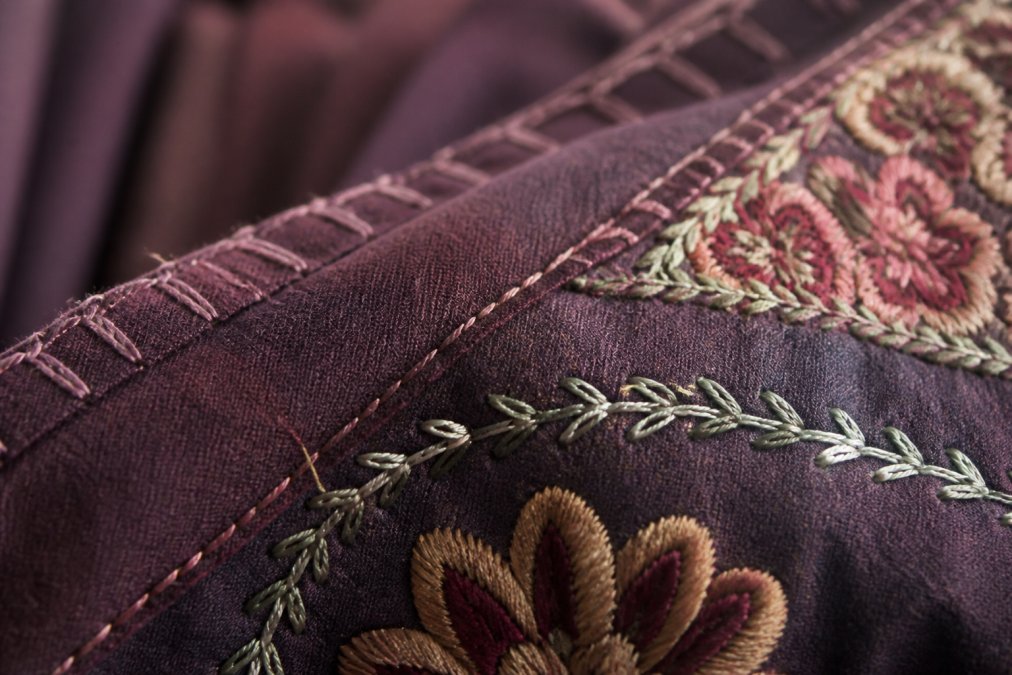
A typical fast fashion shirt might survive 20-30 washes before visible degradation. Handcrafted pieces, made with quality fabrics and reinforced construction, easily withstand 100+ washes. Better fabric quality means fibers don't break down as quickly. Stronger seams mean stress points don't fail under normal wear.
The psychological difference matters too. When you own something beautiful and well-made, you care for it differently. You don't toss it in the dryer on high heat. You hand-wash delicate pieces. You repair a loose button instead of replacing the whole garment. This behavior extends lifespan even further.
Heritage techniques embedded in handcrafted production reflect centuries of refinement. Artisan skills passed down through generations build in durability at every stage. Hand-dyed fabrics often penetrate fiber deeper than industrial dyeing, meaning colors stay vibrant longer. Hand-embroidery uses techniques designed to withstand decades of wear, the kind of durability you see in vintage bohemian pieces still worn today.
:::pro-tip Calculate cost-per-wear by dividing the purchase price by the number of times you'll wear the piece. A $120 handcrafted shirt worn 200 times costs 60 cents per wear. A $30 fast fashion shirt worn 30 times costs $1 per wear. The math favors durability every time. :::
Is Sustainable Fashion Worth the Price? A Cost-Per-Wear Breakdown
This is where the numbers actually flip in favor of handcrafted. Most people see the higher upfront price and assume fast fashion is cheaper. They're not accounting for replacement cycles.
| Metric | Fast Fashion | Handcrafted |
|---|---|---|
| Average Purchase Price | $25-40 | $80-150 |
| Expected Lifespan (wears) | 25-40 | 150-250 |
| Cost Per Wear | $0.75-1.50 | $0.35-0.75 |
| Annual Replacement Rate | 3-5 pieces | 0-1 pieces |
| Total 5-Year Cost | $600-1,000 | $300-500 |
The calculation is straightforward. A handcrafted piece costs more initially but lasts 5-10 times longer. Over five years, you'll spend significantly less money on handcrafted clothing than constantly replacing fast fashion items.
Beyond dollars, consider the hidden costs. Fast fashion requires constant shopping trips, decision-making fatigue, and the guilt of throwing away barely-worn clothes. Handcrafted pieces reduce decision friction. You own fewer items, but each one works harder in your wardrobe. You wear them more often because they fit better and feel better.
The psychological economics matter. Research shows that conscious consumers who align purchases with their values report higher satisfaction and lower regret. When you buy handcrafted, you're not just buying a shirt, you're buying alignment between your actions and your beliefs. That satisfaction compounds over time.
Loving Life Clothing's handcrafted pieces reflect this value proposition. Our hand-dyed bohemian essentials are priced to reflect the artisan labor and quality materials involved. A piece from our collection becomes part of your sustainable wardrobe precisely because it's built to last.
Ethical Labor and Environmental Impact
Fast fashion's speed depends on exploitation. Garment workers in low-wage countries often earn less than $3 per day while working 14-hour shifts in unsafe conditions. This isn't incidental, it's the business model. Speed requires pressure. Pressure requires cutting costs. Labor costs are cut first.
Handcrafted production reverses this equation. Artisans earn fair wages because their work is valued. When a piece takes 8 hours to hand-embroider, that labor cost is built into the price. There's no race to the bottom because the product's value depends on the artisan's skill and time.
The environmental impact follows the same logic. Mass production optimizes for volume, not sustainability. Fast fashion generates 92 million tons of textile waste annually in the United States alone (the EPA). Most of that ends up in landfills where synthetic fabrics take 200+ years to decompose.
Handcrafted production uses less volume, which means less waste. More importantly, it often prioritizes natural fibers, cotton, linen, hemp, silk, that biodegrade within months. The dyeing processes matter too. Industrial dyeing requires massive water inputs and produces chemical runoff. Hand-dyeing, especially with natural dyes, uses less water and generates fewer pollutants.
Supply chain transparency separates ethical handcrafted from greenwashing. You should be able to trace where your garment was made, who made it, and what materials were used. If a brand can't answer those questions, it's not truly handcrafted, it's mass-produced and marketed as artisanal.
How to Build a Sustainable Wardrobe Without Greenwashing
Greenwashing is everywhere. Brands slap "eco-friendly" labels on conventionally-made clothes and charge premium prices. The key is learning to distinguish authentic handcrafted from marketing fiction.
Start by asking specific questions. Where is this piece made? Who made it? What materials were used? Can you see photos of the actual production process? Real artisans are proud of their work and happy to show it off. If a brand deflects or gives vague answers, that's a red flag.
Look for transparency in dyeing and finishing processes. Natural dyes require longer production times but create more sustainable finished products. Chemical finishes, even "eco-friendly" ones, often involve synthetic processes that require careful disposal. Ask whether the brand uses natural or synthetic dyes, and what happens to leftover dye water.
Check fiber content carefully. "Organic cotton" is meaningful, it means the cotton was grown without synthetic pesticides. "Bamboo viscose" is trickier, while bamboo is renewable, the viscose production process is chemically intensive. Natural fibers (organic cotton, linen, hemp, wool, silk) are generally more sustainable than synthetics, but production methods matter more than fiber type alone.
Build your sustainable wardrobe around pieces you'll actually wear. This sounds obvious, but it's the most violated principle. Buy handcrafted pieces in colors and styles you genuinely love, not because they're "sustainable." A unworn sustainable piece is waste. A worn-constantly piece, even if conventional, has better environmental impact than an unworn eco-friendly alternative.
Invest in versatility. Handcrafted pieces should work across multiple outfits and seasons. A hand-dyed bohemian shirt that pairs with work pants, weekend jeans, and festival gear delivers more value than a one-occasion piece. This is where handcrafted excels, the relaxed fits and timeless designs of bohemian essentials work across contexts.
Loving Life Clothing's approach to sustainable wardrobing emphasizes pieces that celebrate individuality while delivering durability. Our hand-dyed hues and relaxed fits work for casual everyday wear, outdoor adventures, and creative self-expression. The goal is building a wardrobe where every piece earns its place through frequent wear and genuine joy.
Natural Fibers vs. Synthetic Materials and Chemical Finishes
The fiber choice shapes everything about a garment's performance, environmental impact, and longevity. Natural fibers, cotton, linen, hemp, silk, wool, biodegrade and generally require fewer chemicals in production. Synthetic fibers, polyester, nylon, acrylic, are petroleum-based, persist in the environment for centuries, and often require extensive chemical processing.
But the story isn't simple. Organic cotton requires careful farming practices and uses less pesticide than conventional cotton, but still needs water-intensive irrigation. Synthetic polyester is made from fossil fuels but requires less water than cotton. The real comparison depends on production methods, not just fiber type.
Chemical finishes are where greenwashing thrives. "Wrinkle-resistant" fabrics are often treated with formaldehyde-based resins. "Stain-resistant" coatings frequently contain PFOA (perfluorooctanoic acid), a chemical linked to health concerns. "Soft" synthetic fabrics might be coated with silicones. These finishes persist through washing and can accumulate in your body over time.
Handcrafted pieces typically skip these chemical shortcuts. Without the need to speed up production, artisans can use natural finishing methods. A piece might be softer because it's made from higher-quality fiber and has been worn and washed to break in naturally, not because of chemical coatings.
Natural fiber handcrafted pieces also age beautifully. A cotton bohemian shirt gets softer with washing. Linen develops character and a lived-in look. Silk gains a subtle sheen. These changes feel like improvement, not degradation. Fast fashion pieces often feel worse after a few washes as chemical finishes wear away and fibers break down.
The durability math favors natural fibers too. Cotton and linen can be repaired, patched, and altered. Synthetic blends are harder to work with. A torn handcrafted cotton piece can be invisibly mended. A torn polyester blend often requires replacement.
Care and Repair: Extending the Life of Your Pieces
Handcrafted pieces deserve intentional care. This isn't a burden, it's an investment in something you value. The care practices that extend garment life are simple and often more effective than conventional washing.
Hand-washing preserves handcrafted pieces better than machine washing. Use cool water, mild soap, and gentle agitation. For hand-dyed pieces, wash separately the first few times to prevent dye transfer. Air-dry whenever possible, the sun naturally fades colors, but air drying prevents the heat damage that machine drying causes.
Repair becomes part of ownership. A loose seam can be hand-stitched back. A small tear can be patched invisibly. A faded hem can be refreshed with natural dye. These repairs aren't signs of failure, they're evidence of a piece's value to you. Each repair extends lifespan and deepens your connection to the garment.
Storage matters more than most people realize. Handcrafted bohemian pieces should be stored flat or loosely folded, not hung, to prevent stretching. Keep them away from direct sunlight to prevent fading. Use cedar or lavender sachets instead of mothballs to prevent insect damage. Good storage can add years to a garment's lifespan.
Seasonal rotation reduces wear on individual pieces. Instead of wearing the same handcrafted shirt constantly, rotate through several pieces. This distributes stress across multiple garments and gives each time to rest between wears. A garment worn once per week lasts longer than one worn daily.
Professional cleaning should be minimal. Most handcrafted pieces can be hand-washed at home. If professional cleaning is needed, seek out dry cleaners who use gentler methods than traditional dry cleaning chemicals. Some artisans offer care recommendations specific to their pieces, follow those.
The repair mindset is the biggest difference between sustainable wardrobing and fast fashion thinking. Fast fashion trains you to replace. Handcrafted pieces invite you to repair, adapt, and evolve your wardrobe over time. A piece you've cared for, repaired, and worn for years becomes part of your story in a way a disposable garment never can.
Choosing handcrafted over fast fashion means rejecting the idea that clothing is disposable. It means recognizing that the lowest price often hides the highest cost, to the environment, to workers, and to your own satisfaction. The pieces you choose should reflect your values, deliver durability, and earn their place in your life through genuine wear.
Loving Life Clothing embodies this philosophy. Our hand-dyed bohemian essentials are crafted to last, designed to celebrate individuality, and built by artisans earning fair wages. When you choose our pieces, you're investing in garments that align your wardrobe with your values. Learn more about ethical fashion practices to deepen your understanding of the industry. Start building your sustainable wardrobe with pieces you'll wear for years, not seasons.
Frequently Asked Questions
How can I tell if clothing is truly handcrafted or just greenwashing?
Look for transparency in supply chain information, including where garments are made and who produces them. Handcrafted pieces often come with artisan names or maker stories. Check for quality markers: hand-stitched seams, natural dye variations (slight color inconsistencies are normal), and heritage techniques like embroidery or weaving. Avoid vague claims like 'eco-friendly' without certifications. Ask brands directly about their production process. Authentic handcrafted items may have minor imperfections that prove human hands made them, not machines.
Is sustainable fashion worth the higher price point compared to fast fashion?
Yes, when calculated by cost-per-wear. A handcrafted piece worn 100 times over two years costs $1 per wear; a $15 fast fashion item worn 20 times costs $0.75 per wear but often falls apart. Handcrafted garments typically last 5-10 years, making the long-term investment significantly cheaper. Beyond economics, you're paying for ethical labor practices, reduced environmental impact, and quality materials. Conscious consumerism means fewer, better pieces that align with your values rather than constant replacement cycles.
Will hand-dyed colors fade quickly, or do they hold up in the wash?
Quality hand-dyed garments use natural dyes or professional synthetic dyes that bond properly to fabric, maintaining color through multiple washes. Slight fading is normal and part of the handcrafted aesthetic, it shows authenticity. To preserve hand-dyed pieces, wash in cold water, use mild detergent, avoid bleach, and air-dry when possible. Natural fiber dyes (indigo, plant-based) may fade slightly faster than synthetic dyes but won't dramatically change in weeks. The key is proper care techniques that extend durability and keep colors vibrant for years.
How do I start building a sustainable wardrobe without spending a fortune?
Begin by assessing what you already own and identifying gaps in your everyday rotation. Invest in a few versatile, high-quality basics in neutral colors that mix and match, handcrafted pieces often work across multiple outfits. Buy secondhand or vintage handcrafted items to reduce cost while supporting circular economy principles. Prioritize garments you'll wear at least 30 times per year. Choose natural fibers like organic cotton, linen, or hemp when possible. Add statement pieces gradually rather than all at once. Quality handcrafted accessories like tote bags or scarves create impact without major wardrobe overhauls.
This article was written using GrandRanker